
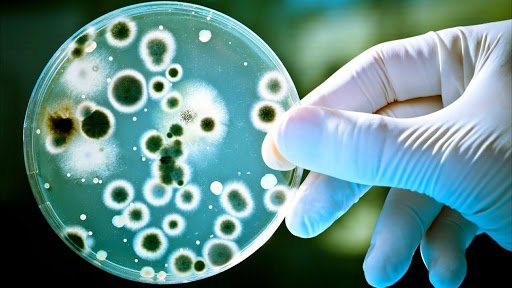

The research team, led by Professors Kimberly Kline and Mary Chan, developed the peptide knowns as CSM5-K5 with chitosan, a sugar found in crustacean shells that is structurally similar to bacterial cell walls. They believe that this resemblance allows the peptide to embed itself on the cell wall and membrane, causing defects and re-establishing the bacteria’s sensitivity to known antibiotics. CSM5-K5 even killed 99% of common biofilm bacteria in the lab and over 90% of biofilm on mice wounds without toxicity to healthy cells.
Further studies must be done on the efficacy and economics of combination therapies for treating MDR infections. While many research efforts are currently focused on dealing with the COVID-19 pandemic, Professor Chan reiterates that “we should also remember that antibiotic resistance continues to be a growing problem, where secondary bacterial infections that develop in patients could complicate matters, posing a threat in the healthcare settings.”