
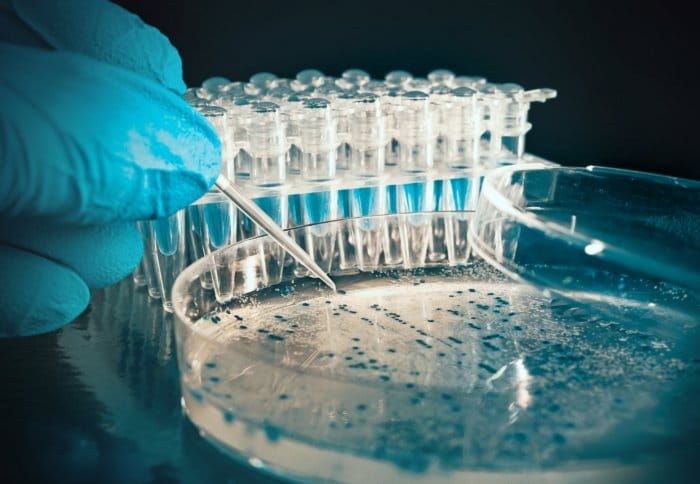

New research suggests it is possible to quickly and accurately diagnose some the most dangerous and drug-resistant types of bacterial infections, using equipment already owned by most hospitals.
Bacteria have been gradually evolving to become resistant to the antibiotics used to treat them. Over the last few years, scientists have found evidence that some bacteria have become resistant to a last-resort antibiotic called colistin.
Now, in a presentation at the 27th European Congress of Clinical Microbiology and Infectious Diseases (ECCMID), researchers described how they were able to test bacteria to quickly tell whether they were resistant to colistin, and how easily they might pass this resistance on to other bacteria. They say this is an important discovery because knowing which patients have these most dangerous infections means it is possible to use quarantine measures to halt their spread and stop the rise of drug resistance.
The research was presented by Dr Laurent Dortet, Associate Professor at South Paris University, France, and a researcher at Imperial College London, UK. The work was a collaboration between Dr Dortet and colleagues at Imperial, Dr Gerald Larrouy-Maumus and Professor Alain Filloux.