
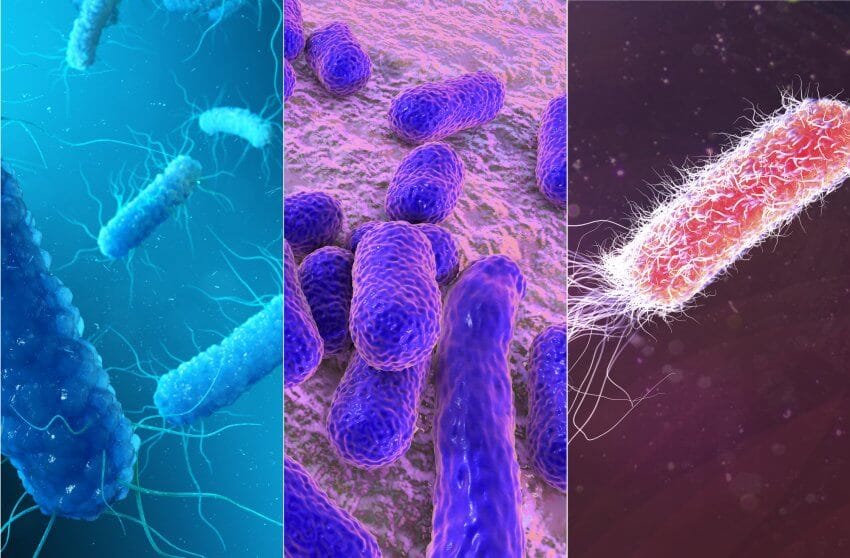

The World Health Organization has released its first list of the world’s most dangerous superbugs — 12 families of bacterial supervillains considered the most serious threats to human health.
The WHO calls it a list of “priority pathogens” because the bacteria have developed resistance to key antibiotic drugs. And that is making health care more complicated, as doctors are forced to try one drug after another to treat hospital-acquired infections.
A study in The Lancet warns superbugs are already causing many post surgical infections which is making routine surgery more dangerous.
There are predictions that without effective antibiotics, much of modern healthcare would be in jeopardy, including cancer chemotherapy, births by caesarean section, and organ transplantation.
With this list, the WHO is again raising the alarm over the growing health threat created by the rise of bacteria resistant to multiple drugs. The list is intended to help guide research and development by identifying the most serious threats, the ones that most urgently need new drugs.